26 de Dec 2019 | Coffee
Coffee operators don't know what to expect for 2020
Arabian coffee futures traded in New York increased 23% in 2019. The product rose to a maximum of US $ 1,4245 per pound on December 17, the highest in two years, but since then it has declined approximately 12% to close at $ 1,253 on Monday.
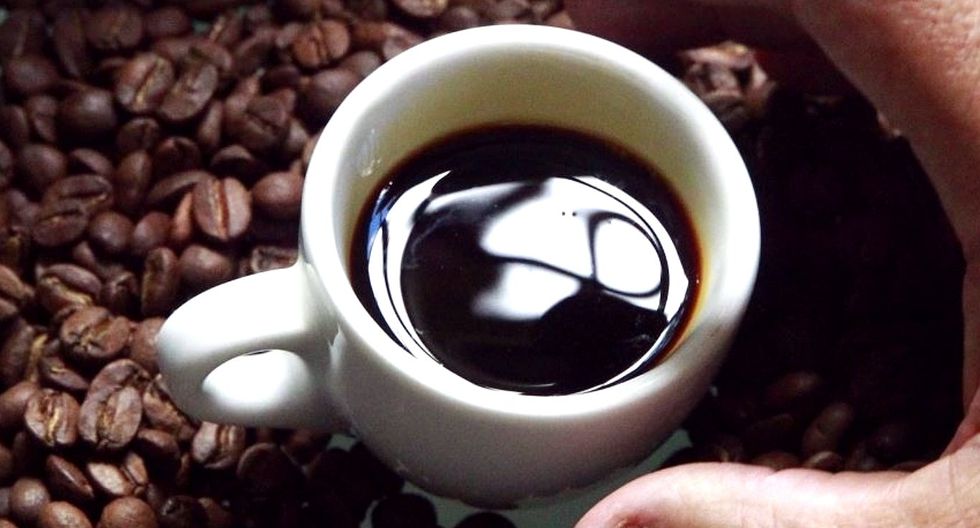
The impressive rise in coffee at the end of 2019 surprised many operators and analysts, which has created tension on the future direction of prices.
Arabica grains have risen 24% since the end of September, following the pace of the best quarterly performance since 2014 and the highest gain among the main commodities in the last three months. The move came after futures in May fell to the lowest level in 13 years, driving some farmers out of the industry.
Prices recovered after the adverse climate threatened production in Brazil, the world's leading producer and exporter. Analysts began to predict that the market would change to a supply deficit, which would help boost the rebound. But the size of earnings was surprising, as a measure of volatility rose to a maximum by more than four years. Hence a cautious tone to the panorama for early 2020.
"The market rose too much, too fast, and now we are seeing a healthy setback," says Josh Graves, strategist RJO Futures market senior in Chicago. "In the short term, high volatility is here to stay."
Arabian coffee futures traded in New York increased 23% in 2019. The product rose to a maximum of US $ 1,4245 per Pound on December 17, the highest in two years, but since then it has declined approximately 12% to close at US $ 1,253 on Monday.
This is what operators will monitor in 2020:
World deficit
End-of-season inventories in Brazil will be reduced to a minimum in data collected since 1962, according to the Department of US Agriculture
Rabobank International sees a global supply deficit of 3.5 million bags in the 2019-2020 season, while Citigroup Inc. predicts 4.7 million and sees a 2020-2021 deficit of 1.3 million bags. A bag weighs 60 kilograms.
Arabica grains have risen 24% since the end of September, following the pace of the best quarterly performance since 2014 and the highest gain among the main commodities in the last three months. The move came after futures in May fell to the lowest level in 13 years, driving some farmers out of the industry.
Prices recovered after the adverse climate threatened production in Brazil, the world's leading producer and exporter. Analysts began to predict that the market would change to a supply deficit, which would help boost the rebound. But the size of earnings was surprising, as a measure of volatility rose to a maximum by more than four years. Hence a cautious tone to the panorama for early 2020.
"The market rose too much, too fast, and now we are seeing a healthy setback," says Josh Graves, strategist RJO Futures market senior in Chicago. "In the short term, high volatility is here to stay."
Arabian coffee futures traded in New York increased 23% in 2019. The product rose to a maximum of US $ 1,4245 per Pound on December 17, the highest in two years, but since then it has declined approximately 12% to close at US $ 1,253 on Monday.
This is what operators will monitor in 2020:
World deficit
End-of-season inventories in Brazil will be reduced to a minimum in data collected since 1962, according to the Department of US Agriculture
Rabobank International sees a global supply deficit of 3.5 million bags in the 2019-2020 season, while Citigroup Inc. predicts 4.7 million and sees a 2020-2021 deficit of 1.3 million bags. A bag weighs 60 kilograms.
Brazilian production
Crop recoveries usually bring new supplies. Low interest rates and inflation in the country will probably encourage surface expansion, says Carlos Alberto Fernandes Santana, director of Empresa Interagricola SA, the local unit of Ecom Trading, one of the world's largest commodity operators.
It is also not clear how big the Brazilian harvest will be next season, with some expectations of a record harvest. The rain has been excellent, well distributed in most of the country's producing regions, Regis Ricco Alves, director of RR Consultoria Rural in Alfenas, Minas Gerais, said in a message.
Global demand
Even if prices have peaked in the short term, they can rise in the second half of next year, according to Aakash Doshi, a Citigroup director in New York who says prices could exceed $ 1.60 in 2021. Tracey Allen, Agricultural products strategist for JPMorgan Chase Co., said that while prices are going to see ups and downs, they could reach $ 1.59 in the medium term.
The demand for coffee continues to experience new growth thanks to the popularity of cold drinks, especially in The United States, the largest consumer, says Jim Watson, senior market analyst at Rabobank in New York. Cold fashion preparations also use more grains than their hot counterparts, because they involve a longer process that extracts less caffeine than when made with hot water, which stimulates greater use of the raw material, he explains.
Source: Diario Gestión