01 de Mar 2021 | Coffee
Climate in Brazil Divides Analysts on Coffee Crop Losses
First, it didn't rain enough. Then came the flood. The swings were so strong in Brazil, the world's largest coffee supplier, that there is now a wide division among analysts about the impact of weather instability on the harvest.
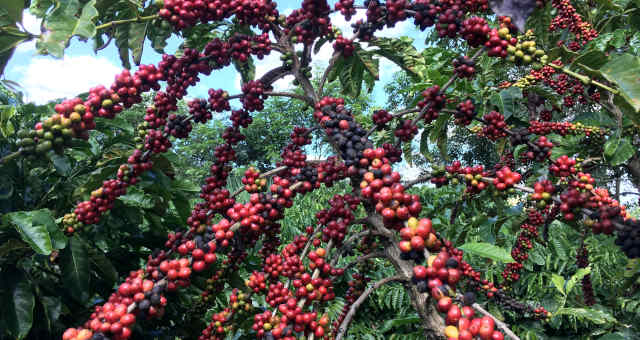
(Bloomberg) Predictions for the 2021 arabica coffee harvest vary widely, from just 25 million bags to 36 million. As each bag weighs 60 kilos, the difference is about 660 thousand tons, enough to cover US consumption for almost five months.
Concerns about Brazil's coffee production helped boost arabica futures by more than 10% this month, and prices are trading near the highest level since December 2019. Smaller crops in Central America worsen the outlook for a fair supply as the world economy prepares to reopen and reactivate demand.
Jorge Esteve, vice president of Empresa Interagrícola, a unit of Ecom Trading, is among the optimists that recent rains will improve crop conditions. The company estimates a production of 33 million to 34 million bags.
In 2021, coffee growers in Arabica regions will harvest the semi-annual cycle of low productivity, which was affected by the drought.
Recent rains "have been enough to stop losses" from the drought that affected the initial development of the 2021 crop, and the humidity may even slightly increase productivity, Esteve said. Furthermore, he is not concerned that the dry weather has reduced the potential for the 2022 harvest.
Next year, there will be "a very good harvest," he said. And, for 2021, "we are very optimistic that the rains will be very useful for productivity," he said in a telephone interview in the Port of Santos.
On the other side of the debate is Regis Ricco, director of RR Consultoria Rural. Even with recent good rains, in his view, the outlook for 2021 still indicates that the arabica crop will fall by more than half, to 25 million bags, compared to 53 million bags last year. And to achieve that forecast, the weather must remain favorable for the rest of the season, he said by phone.
Analyst Judy Ganes, who is on a second tour of the main Arabica and Robusta grain producing regions in Brazil, is also more pessimistic about the prospects for the harvest.
Even with recent rains and the forecast for a higher volume of precipitation, the drought was so severe that it may even reduce the 2022 harvest, she said by phone from Minas Gerais. According to Ganes, the lack of humidity has eliminated 20% to 30% of the growth potential in the worst affected areas next year, she said.
"The harvest is not uniform and the farmers said they will not recoup the cost of the coffee harvest," Ganes said. “The low-lying coffee farms, mostly mechanized, have suffered the most. Farms at higher altitudes have been less damaged. "
Some growers believe that "the grain size will be smaller than normal and the quality will not be good," she said. Production for next year "has definitely been compromised," Ganes added.
Source: Bloomberg